Consumer Guide: Plastic Resin / Recycling Codes
The symbol consisting of a number and chasing arrows, typically found on the bottom of most plastic products, is a “resin code” that indicates the type of plastic used in that product. The chart below explains the general characteristics of different plastic resins and lists everyday consumer products that typically carry these codes.
Note: Not all plastics are recyclable. Consumers should consult with their local authorities to determine which plastic recycling services are available in their community.
| Code | Chemical Name & Properties | Typical Consumer Household Uses |
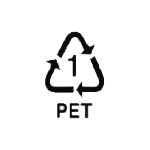 |
Polyethylene Terephthalate (PET, PETE) PET is clear, strong, and lightweight with an optically smooth surface. Shatter-resistant. Provides an excellent barrier against oxygen, moisture, and carbon dioxide. Good chemical resistance. Also known as polyester. |
Bottles suitable for soda, water, juice, and sports drinks.
Also bottles for shampoo, liquid hand soap, personal care products, salad dressing, and cooking oils. Jars for peanut butter, condiments, etc. Microwave oven trays. |
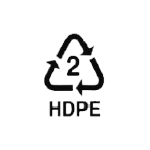 |
High-Density Polyethylene (HDPE) HDPE can be either unpigmented or pigmented. Excellent chemical resistance, high strength, and relatively stiff. Unpigmented HDPE bottles are translucent. |
Jugs for milk, apple juice, and water (unpigmented HDPE).
Bottles for liquid laundry detergent, fabric softener, bleach, and household chemicals (pigmented HDPE). |
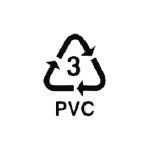 |
Polyvinyl Chloride (PVC, Vinyl) PVC has good chemical resistance and is weather-resistant; high impact strength; brilliant clarity. Vinyl products can be rigid or flexible. |
Rigid packaging uses include blister packs and clamshells; bottles for salad dressing, vegetable oil, and mouthwash.
Flexible packaging includes shrink wrap, deli, and meat wrap |
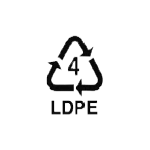 |
Low-Density Polyethylene (LDPE) LDPE is often used as a film but is also a flexible packaging material. Tough, relatively transparent, and flexible with good acid/base resistance. |
Dry cleaning bags, trash bags, produce and bread bags; stretch film. Squeezable bottles; six-pack soda rings. |
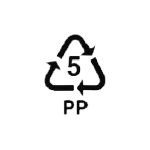 |
Polypropylene (PP) PP is strong with excellent optical clarity, good chemical resistance, low moisture-vapor transmission, and a high melting point. Used both as film and in molded containers. |
Yogurt and margarine containers; takeout/deli containers; drinking straws; bottle caps and closures. |
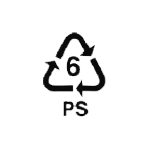 |
Polystyrene (PS) PS is a rigid plastic that can be solid or foamed. General-purpose polystyrene is clear, hard, and brittle with a relatively low melting point. Foamed applications are low-density and have good moisture barrier and insulation properties. |
Disposable cutlery, CD and DVD cases. Packaging peanuts, meat trays, cups, packaging for furniture and electronics (foamed applications). |
 |
OTHER Other plastics or products made with a combination of different plastic resins. Includes polycarbonate and bioplastics. |
Varies depending on the resin(s) used. |